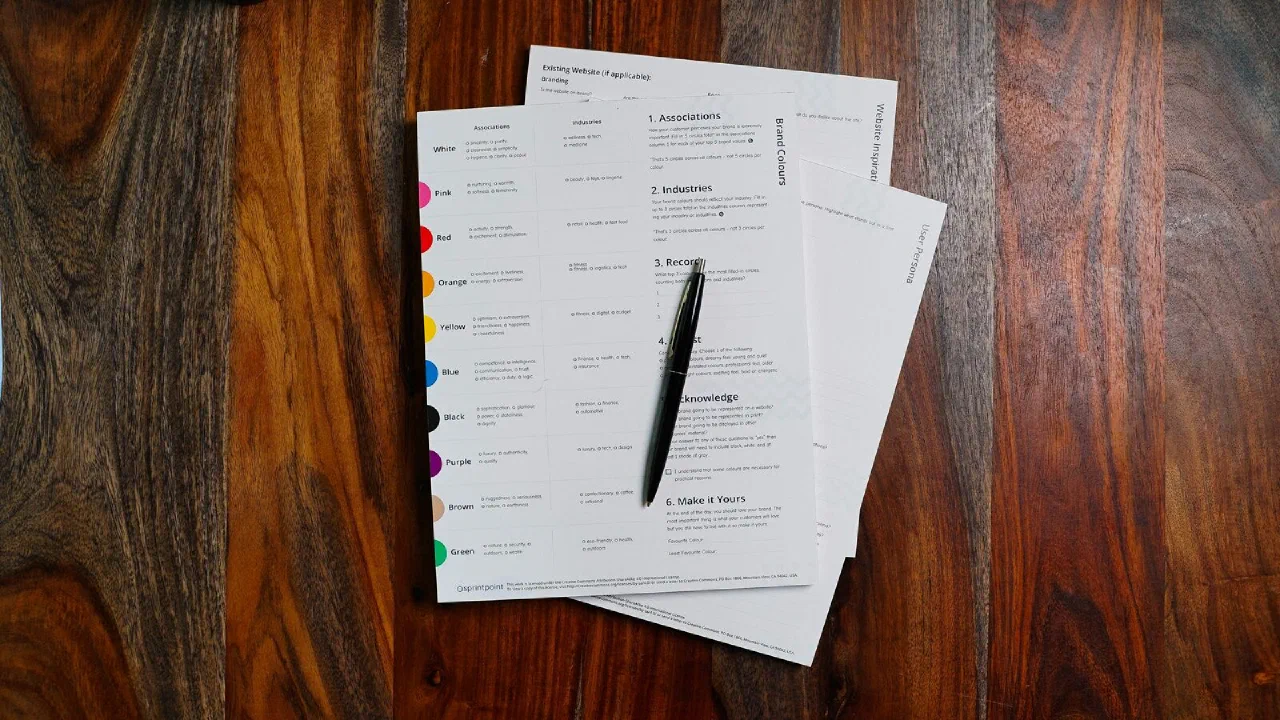
You do not need a lawyer for this and you do not need a service. What you need is a chain of civil certificates that connects an Ireland-born ancestor to you without a gap, assembled in an order that stops you paying for the same document twice. At this stage, how to apply for Irish citizenship by descent is a documentary exercise and nothing more.
The order below is the deliverable. Half of it costs nothing, all of it comes before the fee, and it is the part every page selling this service leaves out — because the expensive mistakes are made in the first two steps, long before anybody fills in a form.
How to apply for Irish citizenship by descent, in order
Establish, on paper, where each person in the chain was born#
Not where the family says. Your own birthplace, your parent’s, and the Ireland-born ancestor’s. This single step decides which application you are making: a person whose qualifying parent was born in the island of Ireland is already an Irish citizen from birth under section 7(1) and needs a passport rather than a register entry, and a person whose qualifying parent was born abroad is a section 27 case. Getting this wrong means paying the wrong fee for the wrong thing.
Find out whether anyone in the chain is already registered, and on what date#
Ask, and then ask for the document rather than the recollection. If your parent is a citizen by registration, the date of their entry against your date of birth settles your eligibility before any certificate is ordered — see the registration rule in full. This is the cheapest step on the page and the one that most often ends an application that would have failed.
Read the Department's current document checklist before ordering anything#
The Act does not contain the list. Section 27(5) empowers the Minister for Foreign Affairs to make regulations “respecting the form and manner of keeping of foreign births entry books and the foreign births register, the registration of births therein” and the fees, which means the schedule of documents and the way they must be certified is administrative and can change between the day you start and the day you file.
Order long-form certificates, and order them once#
Every link needs a certificate that names the parents — the long form — not a short certificate naming only the person. A short certificate cannot connect one generation to the next, which is the only thing the register is looking at.
Collect the evidence for every name that changes across the chain#
A marriage certificate for a surname that changed on marriage; the relevant civil document where a forename was anglicised, re-Gaelicised or simply recorded differently at two registrations. A chain that reads as three different people needs the document that shows it is one.
Then, and only then, file and pay#
With the birthplaces confirmed, any prior entry dated, the current checklist in front of you and the certificates in long form, the application itself is clerical.
Steps one and two are free. Step three is free. If you take nothing else from this post, take the ordering: the certificates are the last thing to buy, not the first.
What the chain has to show
The register is not assessing your connection to Ireland. It is checking one proposition, in the words of section 27(2): that you are “a person deriving citizenship through a father or mother so born” — that is, through a parent also born outside the island of Ireland — and, via section 7(1), that the parent was an Irish citizen at the time of your birth.
Everything in the file exists to prove one of four things, and it is worth sorting your documents into these four piles before you look at any checklist:
| What has to be proved | What proves it |
|---|---|
| The Ireland-born ancestor was born on the island of Ireland | Their long-form civil birth certificate |
| Each parent-to-child link in the chain | The long-form birth certificate of the child, naming the parent |
| That a person in the chain under one name is the person in the next certificate under another | The marriage certificate or other civil record carrying both names |
| That your qualifying parent was an Irish citizen at the time of your birth | Their birth certificate where they are a citizen from birth; their register entry, dated, where they are a citizen by registration |
The fourth row is the one that has no substitute. A parent who is a citizen from birth proves it with a birth certificate showing an Ireland-born parent of their own. A parent who is a citizen by registration proves it with the register entry — and the date on that entry is being read against your date of birth, not just noted.
What the fee is actually charged for
There is no fee in the Act. Section 27(5) lets the Minister make regulations covering, with the consent of the Minister for Finance, “the fees (if any) to be charged for registration of births in the books and register, for the inspection thereof and for furnishing extracts therefrom.”
Three separate heads, which is worth knowing because people budget for one of them:
- Registration — the charge for the entry itself, per person. A family registering three siblings is three applications and three fees, not one family application.
- Inspection — the charge for inspecting the register.
- Extracts — the charge for a copy of an entry. This is the one that recurs: the certified copy of your entry is the document you will produce for a first passport, and again years later for a child’s own registration, and a replacement copy is its own transaction.
The current amounts are published by the Department of Foreign Affairs on its Foreign Births Register page, and this post deliberately does not reproduce them. Fees set by regulation change without the Act changing; a figure quoted in an article carries no date and no authority, and the Department’s own page is the only place a number on this subject is worth reading.
The wait, and what makes it longer
The same applies to the processing time: the Department publishes a current figure and it has moved substantially more than once. Rather than repeat a number that will be wrong, three things about the wait that do not change:
- It is per application, not per family. Siblings filing together are separate applications in the same queue.
- No published processing time includes the round trip for a document the Department has to come back for. A file that is complete when it arrives is being processed; a file missing a long-form certificate is waiting for you. This is the practical reason for the ordering above.
- It is long enough to matter to somebody else’s claim. If you intend to have children, the entry has to exist before the birth, not before the due date — a wait measured in months sits between the filing and the entry, and the proviso to section 7(3) reads the entry date. The great-grandparent case is what this looks like from the other side, a generation later.
What happens after the entry
You become an Irish citizen on the date of the entry, under the proviso to section 7(3), and the certified copy of it is self-proving: section 27(4) says such a document, duly authenticated, “shall be admitted in evidence without proof of the signature or seal whereby it is authenticated” and is deemed a true copy until the contrary is proved.
Read it the week it arrives. Names, dates and places, against the certificates you sent. Section 27(6) contemplates regulations providing for the amendment or deletion of incorrect entries, with notice to the person affected — a correction is an ordinary administrative matter now and an obstacle in twenty years, when somebody else’s application depends on the entry being right.
The passport is a separate application to a separate part of the same Department, and it comes after the entry rather than with it. The Irish line is the verdict this route rests on, and the cases that genuinely need a lawyer remain what they were: a discretionary grant, a contested loss, a link nobody can document. Registering a clean chain is not one of them.